Introduction
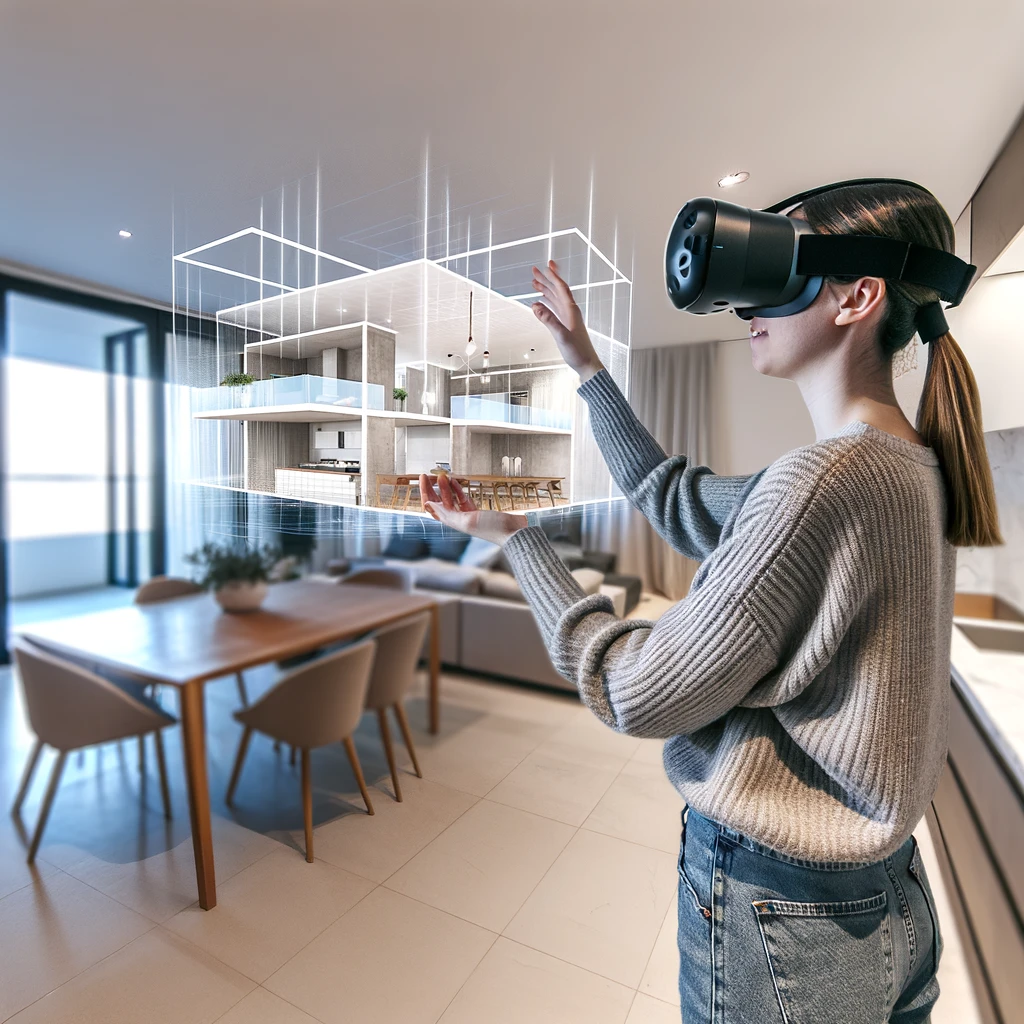
In tourism, virtual reality (VR) technologies and virtual tours have revolutionized the way customers interact with hotels before making a reservation. These tools not only enrich the user experience, but also offer significant commercial advantages for the establishments that implement them.
Improving Customer Experience
Virtual tours allow potential guests to explore the hotel’s facilities in an interactive and detailed manner from the comfort of their own home. By offering an immersive experience, hotels can improve customer satisfaction by providing a transparent and detailed preview of what they can expect, which helps minimize disappointment and increase customer confidence.
2. Increase in Conversion Rate
Using virtual tours on booking pages can significantly increase conversion rates. Potential customers have a better idea of what they are booking, which reduces uncertainty and incentivizes them to complete the booking. According to studies, interactive presentations can increase bookings by more than 130%.
Competitive Advantage
In such a competitive market, offering virtual tours can differentiate a hotel from its competitors. This technology not only appeals to customers who value transparency, but also captures the attention of those seeking novel and technologically advanced experiences.
4. SEO Optimization
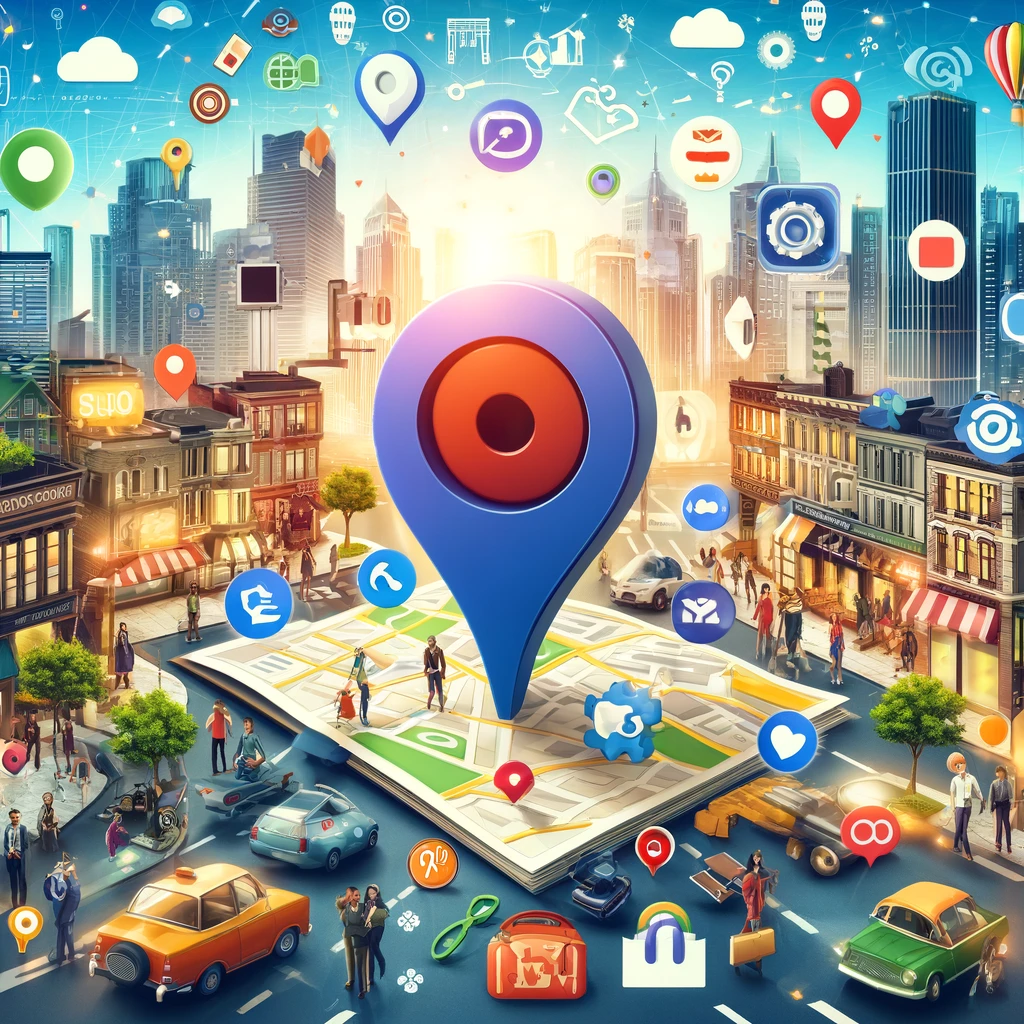
From an SEO point of view, integrating virtual tours on a website can improve the ranking on search engines such as Google. Pages that contain interactive and engaging content, such as virtual tours, tend to have higher dwell rates, a factor that Google considers positively for SEO. In addition, if properly integrated with Google Maps, these visits can improve local search visibility, attract more direct traffic and increase page relevance in search results.
5. Long Term Cost Reduction
Although the implementation of virtual tours and VR technologies may require a significant initial investment, in the long run, these technologies can help reduce marketing and sales costs. By providing an accurate representation of spaces, hotels can reduce the number of phone inquiries and emails, thereby reducing staff workload and allowing them to focus on improving customer service.
6. Data Analysis and Service Customization
VR technologies and virtual tours offer the ability to collect valuable data on how users interact with content. This information can be used to analyze preferences and behaviors, which in turn allows hotels to personalize their offerings and continually improve the user experience.
In conclusion, virtual tours and immersive experiences in the hospitality industry are not just a marketing tool, but an evolution in the way we interact with and serve customers in the digital age. Implementing these technologies not only improves the customer experience, but also boosts business performance through increased visibility, better SEO positioning and resource optimization.
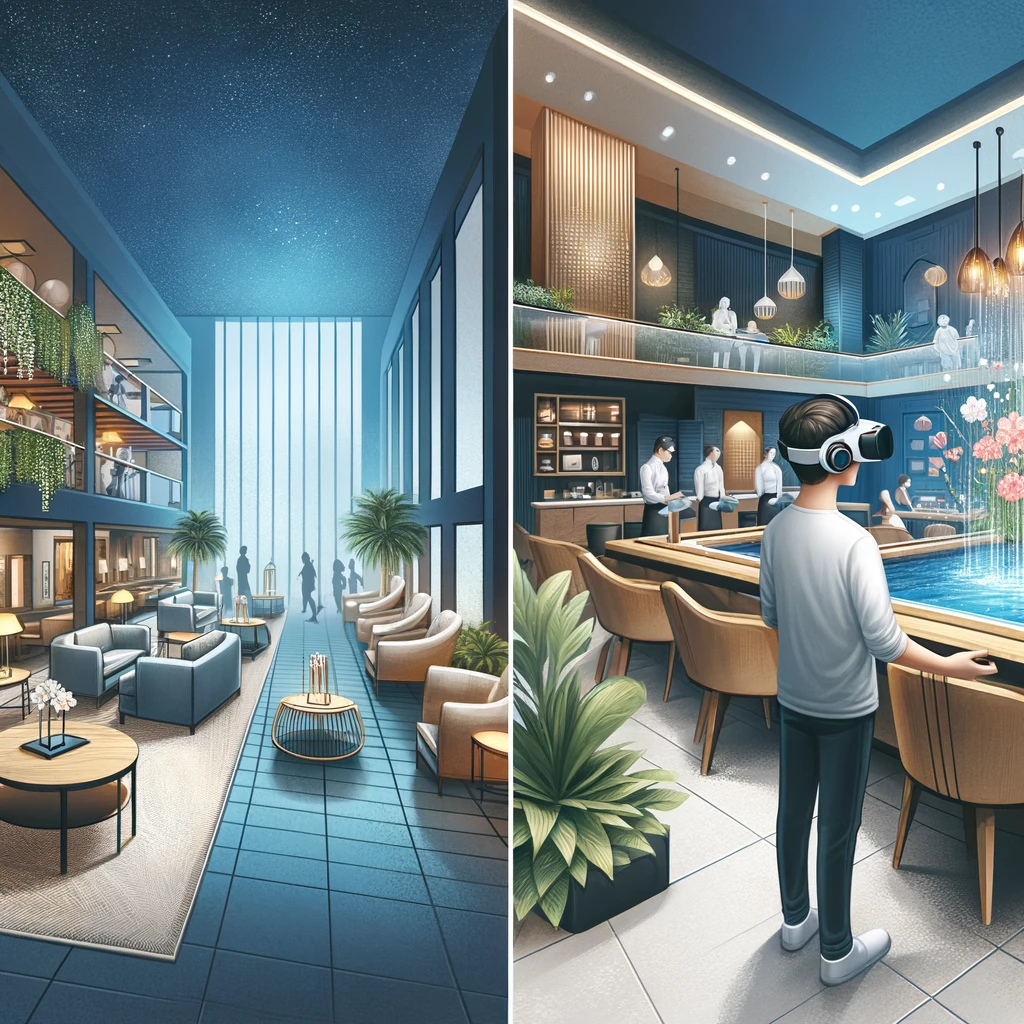
Learn about our solutions in Immersive Experiences, Virtual Tours and Interactive Tours for hotels and restaurants.
Did you like this post, do you have any questions or suggestions on the subject? Leave us a comment and share the post on your social networks. Thanks for reading us. 😊